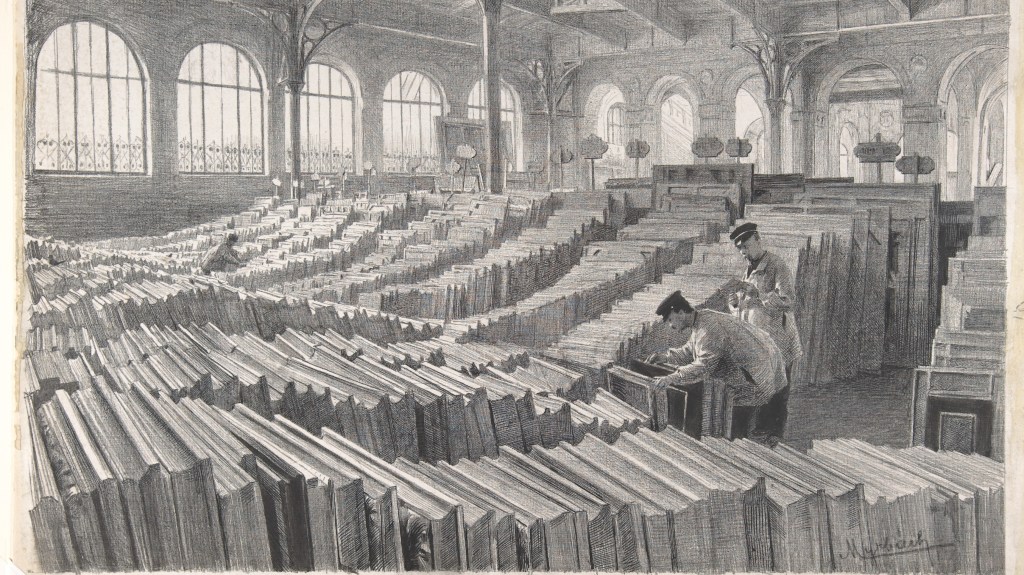
In the 1860s, the greatest honor a painter could achieve was to have their new work displayed in the Paris Salon. This exhibit, put on by the French Academy of Fine Arts, was the most prestigious art event of the year. With Napoleon III’s blessing, it was able to make a career and a fortune for a selected artist.
In 1863, traditional painters dominated the art world and the walls of the salon. These academic painters made fortunes pandering to the egos of the elites. In that year, a new wave of artists, derided as ‘Impressionists’ by those who thought their art merely gave the impression of something and lacked any real skill, attempted to gain entry to the Salon. They were refused.
A furor erupted as this new wave demanded entry. To tamp down the controversy, Napoleon III established the Salon des Refuses – the salon of the rejects – so that artists like Manet, Pissarro, and Cezanne could exhibit their work.
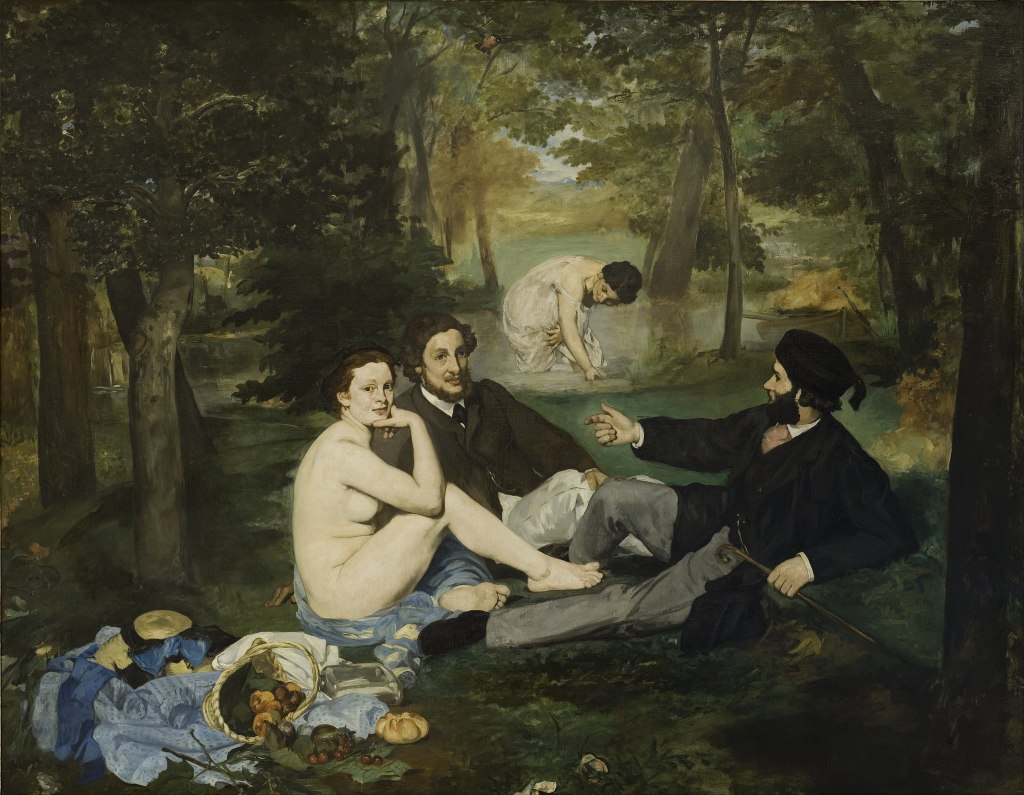
The Salon des Refuses was a huge success. Crowds lined up in immense queues to see now famous works like Dejeuner sur l’Herbe. But these crowds weren’t there to admire the art. They mocked, jeered, and laughed at what are now seen as priceless treasures.
In just a few years, the tide had shifted. The academics had fallen from favor as the avant garde took hold. A democratizing wave was rising, and the Impressionists flourished. What had seemed like a fad was actually part of a much broader trend in societal preferences.
Now, just up the river from the site of the Salon des Refuses is the Musee d’Orsay. A museum dedicated in large part to the work of the Impressionists – whose work commands millions of dollars. The academic painters? Largely forgotten and indistinguishable.
Trends are not Fads
Fads and trends are not the same. Confusing them is an often fatal mistake that has distracted marketers from the most essential tool in their kit: harnessing trends.
A fad is a short-lived enthusiasm that soon peters out. A trend is a persistent change in the way people or businesses behave. To the academic painters, Impressionism seemed like a fad. Odd settings, inaccurate representations of people, an abandonment of classical themes – all these things seemed like a short term enthusiasm. As quickly as they arrived on the scene, they would surely fade.
Yes, some of the threads of Impressionism did fade out. But beneath this shift was a much deeper movement. A shift toward populism that made bourgeois portraits, classical Roman, Greek, or biblical themes, and rationalistic painting seem dated. It made the Impressionists’ more informal paintings of the working classes and modern concerns wildly popular. A popularity that remains in place today.
Floating on a River
By building a strategy to align with forces far more powerful and influential than their marketing budgets could ever generate, you can virtually guarantee some level of success. Identifying the broader trend versus the fad is what makes a successful marketing strategy. Why?

Imagine you’re in a small boat on a river at the edge of the mountains. The water is cold and moving fast from the spring runoff. You’re floating along with the flow and you pass a lovely tree on the bank. ‘That would make a great picture,’ you think. But it’s too late. You’ve rounded a bend before you can get your camera out.
Now, you’ve got a choice. You have paddles after all. You could paddle against the flow of the water and get the tree back in view. The pace of the water, however, is just too great. Each stroke of the paddle does nothing to move you along. Meanwhile, you’re passing vista after vista – a series of beautiful views – that you’re ignoring while you’re straining against the current.
You could have bought a motor for your boat and powered against the current. That would have been expensive and disruptive to the calm that you were looking for. No. If you let the massive force of the river carry you, you’ll pass another tree.
We’re All on that River
‘I don’t want to go with the flow, I want to change things!’ you might be thinking. However, even disruptive changes that appear out of nowhere are rooted in a broader context of social, political, economic, environmental, and demographic forces. Identifying which way these forces are pushing the market is key.
Disruptive ideas may seem to come from left field and be ignoring the trend. But dig deeper. Great ideas get the underlying shifts in those meta-forces. It’s often the alternatives in the market that are at odds with the shifts.
The Blackberry was a great smartphone. It did its job of secure messaging and business email admirably. But the underlying shift of demand toward personal entertainment meant its paltry screen and corporate feel were crushed.
The academic painters were successful in their time — wealthy, even. But ultimately, forces much larger than themselves overcame them and meant that even the patronage of an emperor wasn’t enough to keep them well remembered.
Identifying the trend that you want to float on is how to succeed. Next up, we’ll take a look at harnessing these trends.
 Peter Mollins on Marketing

Leave a comment